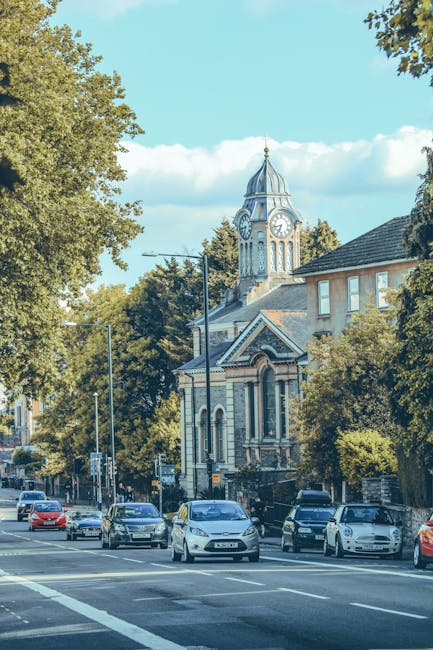
Palmers Green removals moving day checklist and tips

Moving home in Palmers Green can feel simple on paper and oddly chaotic in real life. One minute you are checking drawers for that one missing charger, the next you are wondering whether the kettle is packed, the keys are with you, and the parking space outside is still available. That is exactly why a good Palmers Green removals moving day checklist and tips guide matters. It turns a stressful day into a sequence of clear, manageable steps.
This article walks you through what to do before the van arrives, how to stay organised on the day itself, and which mistakes are easiest to avoid. It also covers when to use extra help such as packing support, house removals, or even removals and storage if your move needs a bit more flexibility. Let's face it, moving day rarely goes exactly to script, but it can still go smoothly.
Whether you are moving from a flat, a family house, or a smaller property with awkward access, the right plan reduces delays, damage, and last-minute panic. And yes, there will probably still be one box you cannot find until the end. That happens.
Why Palmers Green removals moving day checklist and tips Matters
Moving day is where all the planning gets tested. Boxes need to be ready, furniture needs to be protected, timing needs to hold, and everyone involved needs the same information. A checklist is not just about being neat. It reduces risk.
In Palmers Green, that can matter even more because local moves often involve tight streets, shared entrances, limited loading space, or narrow stairways in older buildings. A small delay at the kerb can ripple through the entire day. If the sofa does not fit through the hallway first time, you lose time. If parking is not sorted, the crew may need to walk items further than expected. Not dramatic, just inconvenient. But inconvenient adds up fast.
A moving day checklist helps you:
- keep the essentials accessible
- avoid leaving behind paperwork, chargers, or keys
- protect fragile or high-value belongings
- stay calm when people start asking, "Where's the tape?"
- make it easier for movers to work efficiently
It also gives you a clear sense of progress. That sounds small, but it helps. When you know what has been done and what is left, the day feels less like a blur and more like a sequence you can handle.
How Palmers Green removals moving day checklist and tips Works
The idea is simple: break moving day into stages and manage each stage in the right order. A good checklist should start before the van arrives and continue until you have confirmed that both homes are left safely and checked properly.
At a practical level, the moving day flow usually looks like this:
- Early checks - confirm the move time, keys, access arrangements, and any special instructions.
- Final home sweep - empty cupboards, loft areas, sheds, under beds, and behind doors.
- Priority loading - pack essentials, documents, valuables, and the first-night box where you can reach them.
- Furniture protection - use covers, blankets, and careful handling for fragile items.
- Loading and transport - load items in a sensible order so the new property can be unloaded efficiently.
- Arrival and placement - direct items to the correct rooms and keep the layout simple.
- Final sign-off - check for damage, missing items, and any last things left behind.
That is the basic framework, though every move is slightly different. A flat move with stairs is not the same as a family house with garden furniture. If you are moving office items alongside household goods, you may need something more structured, and office removals can be relevant if work equipment, files, and furniture need separate handling.
In our experience, the best moving days are the ones where nobody is improvising the basics. The good news? Most of the stress is preventable.
Key Benefits and Practical Advantages
A strong checklist is not just a nice-to-have. It changes how the day feels and how it performs. Here are the most useful advantages.
Less decision fatigue
By moving the thinking to the day before, you avoid making dozens of tiny decisions at 7:00 a.m. Do I pack this now? Where are the documents? Is the fridge empty? That mental clutter is exhausting.
Better protection for belongings
When fragile items are labelled clearly and essentials are packed separately, the risk of breakage drops. Simple things like marking boxes with room names and handling notes make a real difference.
Smoother coordination
If you have family members, neighbours, a landlord, or movers involved, everyone benefits from one clear plan. It cuts down on repeated questions and mixed messages. Not glamorous, but very useful.
Faster settling in
A properly prepared first-night box means you are not digging through ten containers trying to find toothpaste at 10 p.m. That alone can save your sanity.
More control over cost
Time waste often becomes cost waste. The less time spent hunting for items or rearranging loading order, the more efficient the move tends to be. If you need to compare moving support and storage options, pricing and quotes can help you plan the budget without guessing.
Better use of storage if required
Sometimes the new property is not ready for everything on the same day. In that case, short-term or longer storage can prevent pressure. Relevant options include short-term storage, secure storage, or household storage depending on what needs to wait.
Who This Is For and When It Makes Sense
This kind of checklist is useful for almost anyone moving in or around Palmers Green, but it is especially helpful if your move has any complexity at all. Small move, big move, flat, house, family home, student room, office move, awkward access, shared drive, whatever. The more moving parts, the more valuable the checklist becomes.
You will probably find it most useful if you are:
- moving from a rented flat with a fixed handover time
- buying or selling a house and need to coordinate keys
- moving with children, pets, or elderly relatives
- handling a same-day move with limited buffer time
- moving items into storage before final delivery
- trying to keep a business or home office running during the move
It also makes sense if you are downsizing. That scenario always looks easy from a distance, then suddenly you are deciding whether the bookcase fits, whether you still need the extra chair, and where the boxes of "miscellaneous" should go. Those moves often benefit from a mix of small removals and furniture storage if you are not ready to place everything immediately.
If you are only moving a few items across Palmers Green, man and van support may be enough. If you are moving a full family home, a broader service like removals or local removals may be the better fit. Different jobs, different tools. Seems obvious, but people still pick the wrong one now and then.
Step-by-Step Guidance
Below is a practical moving day sequence that works well for most home moves. You can adapt it depending on the size of the property and how much help you have.
1. Start with the night-before essentials
The evening before moving day, set aside anything you do not want buried in a box. That usually includes:
- keys
- mobile phone and charger
- wallet or purse
- important documents
- medication
- toiletries
- a change of clothes
- snacks and water
Put these together in one bag or suitcase, and keep it with you rather than on the van. If your first hour in the new place starts with searching for the kettle, the mood dips quickly. Not ideal.
2. Empty and check every room
Walk through the property room by room. Open cupboards, check high shelves, look behind doors, and inspect under beds. That last scan often saves the day. You would be surprised what gets left behind: curtain ties, remote controls, extension leads, charging cables, spare cutlery, a photo frame, that one kitchen drawer item nobody remembers owning.
3. Protect the items that need extra care
Wrap mirrors, glass, framed pictures, electronics, and anything awkwardly shaped. Use blankets or padding where needed. If you have booked packing support, this is the point where it starts paying off because the team can group and protect items in a consistent way. If not, label your own fragile boxes clearly and keep them upright.
4. Keep a clear loading order
It helps to load in a sequence that matches unloading later. For example, items for bedrooms should not get buried behind garden furniture if you need them first at the new place. The easier the order, the faster the unpacking.
5. Manage access and parking
Make sure access points are open, lift bookings are confirmed if you live in a block, and parking arrangements are understood in advance. In Palmers Green, a few minutes spent checking access can save a lot of awkward back-and-forth later. If there is a narrow driveway or restricted street parking, tell the removals team early. They can plan around it instead of reacting to it.
6. Do a final sweep before leaving
Once the van is loaded, walk through the property one last time. Check behind doors, inside cabinets, in the loft, in the meter cupboard, and around windowsills. Then lock up carefully and photograph the condition if needed for your own records. Nothing dramatic, just sensible.
7. Direct items clearly at the new home
When you arrive, place boxes in the correct room where possible and keep pathways clear. It is far easier to move a box once than to move it twice. If the team is unloading while you are thinking through room placement, keep instructions short and clear. No one needs a full interior design briefing at the doorstep.
8. Set up the essentials first
Before you worry about the decor, sort out the basics: beds, bedding, phone chargers, kettle, toiletries, and any work equipment you need the next day. It makes the house feel liveable much faster, which matters more than people admit.
Expert Tips for Better Results
A moving day runs better when you think like a remover, not just a homeowner. That does not mean becoming obsessive. It just means spotting the little things that save time, effort, and frustration.
Label beyond the room name
Instead of writing just "kitchen", add a few clues. For example: "kitchen - pans and small appliances" or "bedroom 2 - bedding and books". Better labels speed up unloading and unpacking. It sounds obvious in hindsight, of course.
Prepare a first-night box
This is one of the best tips, honestly. Pack the things you need for the first 12 to 24 hours separately and keep them accessible. Include kettle items, toiletries, meds, a torch, toilet roll, phone chargers, and basic cleaning cloths. If you have children, add snacks and a favourite item or two. If you have pets, make sure their food and lead are easy to grab.
Keep cleaning items handy
Even if the property is being left in good condition, a small cleaning kit is useful. Dust, crumbs, and marks appear at the most awkward times. A cloth, spray, bin bags, and paper towels go a long way.
Photograph valuable items before moving
This is a sensible step, especially for furniture, electronics, or anything already showing wear. It is not about expecting trouble; it is just a clean record. If something is scratched or marked, you can show what it looked like before loading.
Don't overfill boxes
Heavy boxes are the classic moving-day trap. Books in a huge box? Bad idea. They become impossible to lift and more likely to fail at the bottom. Use smaller boxes for dense items. Your back will thank you later, quietly and without drama.
Keep personal documents separate
Birth certificates, tenancy paperwork, mortgage documents, insurance details, and ID should not travel with random household contents. Keep them with you. Simple rule, big payoff.
Build in a small time cushion
If you think loading will take three hours, give yourself a little more breathing room. A cushion absorbs the unexpected: traffic, awkward items, or the missing box that was somehow in the bathroom all along. London moves rarely run perfectly to the minute. That is just real life.
Common Mistakes to Avoid
The same issues crop up again and again on moving day, and most of them are avoidable. A few are minor. A few are the sort that make you want to sit on the nearest box and stare into space for a minute.
Leaving packing until the final morning
Rushing leads to broken items, poor labelling, and forgotten essentials. If there is one thing worth doing early, it is packing the non-essentials first.
Not checking access properly
If the van cannot park safely or the lift is out of service, the whole day becomes slower. Confirm the details early. It is a boring task. It matters.
Forgetting the essentials bag
This is the mistake people remember most, usually when they need toothpaste or the phone charger. Keep the essentials separate and visible.
Packing hazardous or unsuitable items badly
Some household items need extra care or separate handling. Read labels, follow safe packing practice, and ask about anything uncertain. Paints, aerosols, sharp tools, and some cleaning products should never be bundled carelessly with ordinary box contents.
Overestimating what will fit in one van load
If you are moving a full home, one trip may not be enough. If you are moving smaller loads, small removals can be a more practical choice. If the volume is uncertain, give yourself margin. Tight packing can lead to awkward decisions halfway through the day.
Failing to measure large items
Large sofas, wardrobes, beds, and appliances are where problems often begin. Measure doorways, stair turns, and hallways before moving day if you can. A two-minute measurement can save an hour of trying to angle a wardrobe around a landing like a puzzle from hell.
Tools, Resources and Recommendations
You do not need a huge toolkit, but a few practical items make moving day easier. Most are plain, affordable, and worth having in reach.
| Item | Why it helps | Best used for |
|---|---|---|
| Strong boxes | Protects contents and makes stacking safer | Books, clothes, kitchenware |
| Packing tape | Keeps boxes sealed during handling | All boxed items |
| Labels or marker pens | Speeds up unloading and room placement | Room-by-room sorting |
| Bubble wrap or paper padding | Reduces breakage risk | Glass, frames, electronics |
| Blankets and covers | Protects furniture surfaces | Tables, sofas, wardrobes |
| Cleaning supplies | Useful for final wipe-downs and spot cleaning | Final handover and settling in |
| Toolkit | Helps with disassembly and reassembly | Beds, shelves, small fittings |
If you are moving bulky furniture, having the right equipment matters just as much as the boxes. For some households, professional handling is the safer route, especially if the furniture is heavy, vintage, or awkwardly shaped. That is where services such as furniture storage or removals and storage can give you more breathing room while you decide what stays, what moves, and what waits.
For business-related moves, storage and document management can matter too. Business storage and document storage can reduce clutter when you are trying to move efficiently without losing track of records. It is the sort of practical support people wish they had arranged sooner.
And if you are making a smaller or more flexible move, you might also look at mobile self storage or self storage. Different move, different rhythm.
Law, Compliance, Standards and Best Practice
Moving home is usually straightforward from a legal point of view, but a few standards and good-practice points are worth keeping in mind. The aim is not to complicate the day. It is to avoid preventable problems.
Parking and access: if loading or unloading affects the road or pavement, plan ahead and check what is allowed locally. In practical terms, that means thinking about safe access, not blocking neighbours, and keeping walkways clear. If a mover is handling items on your behalf, they should also work in a way that reflects standard health and safety expectations.
Handling and lifting: good moving practice includes safe lifting, team lifts for heavy items, and sensible use of equipment. You do not need to be an expert, but you should avoid trying to move a heavy wardrobe solo because you are in a hurry. That is exactly how people strain backs. A bit heroic, not very clever.
Insurance and care: check what level of protection is included, especially for high-value or fragile items. It is always wise to understand how items are handled, what is covered, and what you need to declare in advance. Relevant information is set out on pages such as insurance and safety and health and safety policy.
Payment and terms: know what is included, what could change, and how the service is confirmed. Reading the terms and conditions and payment and security information before moving day is just sensible. It avoids surprises when everyone is already tired.
Environmental practice: where possible, reuse boxes, separate recyclables, and avoid sending usable packing materials straight to waste. If sustainability matters to you, the company's recycling and sustainability approach can be part of your decision.
Privacy: moving often involves paperwork, labels, keys, and personal information. Keep anything sensitive secure. A bit of care here saves hassle later.
Options, Methods and Comparison Table
Not every move needs the same setup. Some people want a full service. Others just need a van and a pair of reliable hands. Here is a simple comparison to help you decide what fits.
| Option | Best for | Strengths | Watch-outs |
|---|---|---|---|
| Full removals service | Households with many items or limited time | Less stress, more coordinated loading, easier for larger moves | Needs advance planning and clear access details |
| Man and van | Small or medium loads, quick local moves | Flexible, practical, often ideal for fewer items | May not suit a full household move |
| Small removals | Studios, flats, partial moves | Good for modest volumes and quicker jobs | Can be stretched if there is more furniture than expected |
| Removals with storage | Moves with delayed completion or renovation gaps | Excellent when timing is split | Requires a storage plan and clear inventory |
If you are still unsure which route is right, think about the size of your property, the number of large items, whether there are stairs, and how much time you can realistically give to the move. A lot of people choose a service that is either too small or too broad. The sweet spot is usually simpler than they think.
For flat moves specifically, flat removals can be especially useful where access is tighter and timing matters more. That tends to be the reality in many London moves, Palmers Green included.
Case Study or Real-World Example
Here is a realistic example from a typical Palmers Green move, the kind that looks straightforward until the details start arriving.
A couple moving from a two-bedroom flat had a short completion window and limited parking near the new address. They packed most items the week before, but left one "miscellaneous" box for the final morning. That box, naturally, contained the phone chargers, the kettle adapter, a screwdriver set, and the keys for the storage cupboard. So the morning began with a tiny scramble. Nothing disastrous, just mildly irritating.
What made the move easier was a simple checklist:
- essentials bag packed separately
- furniture labelled by room
- key handover times confirmed
- sofa and mattress protected before loading
- small items moved first so the new flat could be lived in sooner
They also used short-term storage for a few items that were not needed immediately, which took pressure off the move-in day. In that kind of situation, storage is not a complication. It is a release valve. That is often the difference between a rushed afternoon and a calm one.
The main lesson? The move was not perfect, but it was controlled. And controlled is what you want.
Practical Checklist
Use this checklist as your moving day final pass. Keep it simple and realistic.
Moving day essentials checklist: confirm arrival time, check parking and access, keep valuables and documents with you, finish your room-by-room sweep, protect fragile items, label boxes clearly, pack a first-night bag, and do a final walk-through before leaving.
- Confirm both addresses and key handover details
- Check stairs, lifts, access codes, and parking space arrangements
- Keep important documents, keys, money, and medication separate
- Pack water, snacks, chargers, and toiletries in an essentials bag
- Label each box by room and, where helpful, by contents
- Use extra padding for glass, mirrors, and electronics
- Keep tools ready for bed frames, shelves, and fittings
- Walk through every room, cupboard, loft space, and outdoor area
- Take meter readings if needed
- Lock up properly and confirm nothing is left behind
- Direct boxes into the right room at the new property
- Set up beds and basic kitchen items first
One small tip that people often miss: keep bin bags handy for last-minute loose items. There is always a layer of random things near the end. Always.
For readers who want more structured moving support, it can also help to look at local removals and house removals depending on the size and pace of the move. If belongings need to pause between addresses, long-term storage may be more appropriate for items you will not need right away.
Conclusion
A good Palmers Green move is rarely about luck. It is about preparation, clear sequencing, and a checklist that keeps the day under control. The more you handle before the van arrives, the smoother the rest becomes. Keep your essentials separate, check access early, label everything clearly, and leave a little room for the unexpected.
If your move includes furniture, storage gaps, office equipment, or smaller loads that need a more tailored setup, the right service choice can remove a surprising amount of pressure. That is often where practical support makes the biggest difference, especially on a busy London moving day.
Get a free quote today and see how much you can save.
At the end of the day, the best moving checklist is the one that helps you arrive, breathe out, and feel at home a little faster. That is the real win.
Frequently Asked Questions
What should be on a moving day checklist for Palmers Green removals?
Start with the essentials: keys, documents, chargers, medication, and a first-night bag. Then add parking checks, access details, box labels, fragile-item protection, a final room sweep, and a clear unloading plan for the new property.
When should I start preparing for moving day?
Ideally, begin a few weeks ahead with sorting and packing non-essentials. The final checklist should be completed the day before, so moving day itself is about checks and coordination rather than frantic packing.
How do I keep moving day less stressful?
Keep your essentials separate, label boxes clearly, confirm access early, and avoid leaving loose packing until the morning. A calm moving day usually comes from many small preparations, not one big effort.
Do I need storage if my move date and completion date do not line up?
Yes, storage can be a practical bridge if there is a gap between leaving one property and settling into the next. Short-term storage or removals and storage are often useful in that situation.
What is the best way to pack fragile items for moving day?
Use sturdy boxes, wrap each fragile item individually, fill empty space so things do not shift, and label the box clearly. Keep fragile boxes upright and avoid overfilling them with heavy items.
Should I book packing services or do it myself?
That depends on time, confidence, and the number of items you have. Packing services are especially helpful if you have a tight schedule, lots of breakables, or a full household to prepare.
What if I only have a small move in Palmers Green?
For smaller moves, a man and van or small removals option may be more practical than a larger service. It is often the better fit for a studio, a few rooms, or partial household moves.
How can I avoid forgetting items in cupboards or loft spaces?
Use a room-by-room sweep and check all storage areas methodically. Open drawers, cupboards, wardrobes, and loft spaces, then check behind doors and under furniture before leaving.
Is it worth measuring furniture before moving day?
Absolutely. Measuring large furniture, stair turns, and doorways can save a lot of trouble. It helps you spot awkward items before they become a problem during loading or unloading.
What should I keep with me instead of putting on the van?
Keep valuables, documents, medication, phone chargers, keys, and any first-day essentials with you. If there is anything you would be upset to lose for a few hours, keep it close.
How do I choose between house removals and flat removals?
The right choice depends on property type, access, and the volume of belongings. Flat removals are often better suited to stairs, lifts, and tighter access, while house removals suit larger household moves.
Where can I find information about safety and terms before booking?
It is sensible to review the company's health and safety policy, insurance and safety information, payment and security details, and terms and conditions before confirming the move. That way, you know what to expect before moving day arrives.